
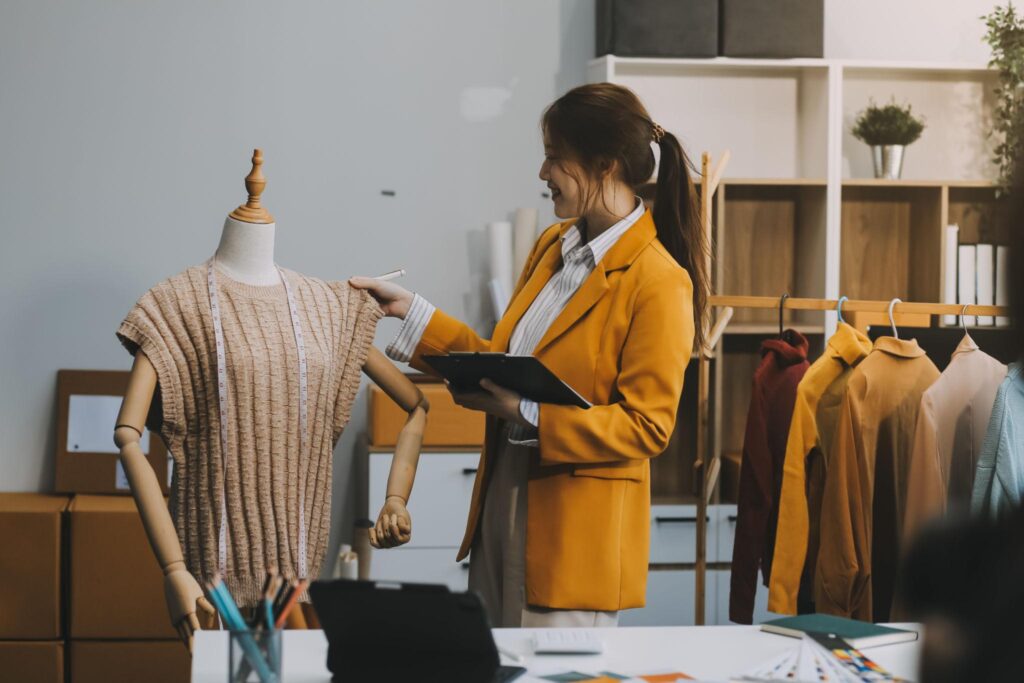
Personal style is much more than clothing. It is a powerful form of self-expression that communicates who you are before you even speak. Effective image management combines mindset, color choices, body awareness, wardrobe planning, grooming, and styling techniques to create a confident and authentic personal brand.
1. Mindset and Identity: The Foundation of Personal Style
Personal style begins with how you see yourself. Before selecting clothes, it is important to develop a clear sense of identity and self-respect.
Giving Yourself Permission
Many people limit their style choices because they fear judgment. Giving yourself permission to experiment allows you to discover what truly reflects your personality.
Identity Shift Decisions
Style often evolves when people decide who they want to become. Dressing for your future self can help reinforce positive habits and confidence.
Style Discovery Words
Choosing descriptive words such as “elegant,” “creative,” “professional,” “minimalist,” or “bold” can guide your fashion decisions and create consistency.
Authenticity and Self-Respect
The best style is authentic. Wearing clothing that aligns with your values and personality creates confidence and comfort.
Dressing for Your Future Identity
Your appearance can support your goals. Whether aiming for leadership, creativity, or professionalism, your wardrobe can help communicate that vision.
2. Color Strategy: Using Color with Purpose
Colors influence how others perceive us and how we feel about ourselves.
Colors Near the Face
Shirts, scarves, and accessories near the face have the greatest impact on appearance. The right colors can make the skin appear healthier and more vibrant.
Personal Color Palette
Understanding which colors complement your skin tone helps create a harmonious wardrobe and simplifies shopping decisions.
Emotional Color Associations
Different colors evoke different emotions:
- Blue: Trust and reliability
- Red: Energy and confidence
- Green: Balance and growth
- Black: Sophistication and authority
- White: Simplicity and cleanliness
Neutrals and Monochrome
Neutral colors such as black, white, gray, navy, and beige provide versatility and form the foundation of many wardrobes.
Skin Tone Flattery
Selecting colors that complement your natural undertones enhances your overall appearance and creates visual harmony.
3. Body Shape and Proportions: Dressing with Balance
The goal of style is not to change your body but to create visual balance and highlight your strengths.
Visual Harmony and Balance
Well-balanced outfits create a pleasing appearance by distributing visual weight evenly throughout the body.
Dressing for Best Parts
Everyone has features they feel most confident about. Strategic styling can draw attention to these strengths.
Illusion Dressing Principles
Fashion uses visual illusions through patterns, lines, and color placement to influence perception of shape and proportion.
Fit and Silhouette
Proper fit is one of the most important aspects of style. Well-fitted clothing looks more polished than expensive clothing that fits poorly.
Pant Rise and Hem Length
Small details such as waist placement and pant length significantly affect overall proportions and appearance.
4. Wardrobe Construction: Building a Functional Closet
A great wardrobe is not necessarily large; it is intentional and versatile.
Style Formulas and Uniforms
Many stylish individuals rely on consistent outfit formulas that simplify daily decisions while maintaining a strong personal image.
Capsule Wardrobe System
A capsule wardrobe consists of versatile pieces that mix and match easily, reducing clutter and increasing outfit options.
Quality vs. Quantity
Investing in fewer, higher-quality items often provides better value, durability, and appearance than purchasing many low-quality garments.
Fabric Feel and Skin Sensitivity
Comfort matters. Fabrics that feel good against the skin encourage confidence and regular use.
The 80/80 Wardrobe Rule
Ideally, about 80% of your wardrobe should consist of items you wear frequently and genuinely enjoy. The remaining 20% can be reserved for special occasions and experimentation.
5. First Impressions (ABC): Making an Impact
Research suggests that people form impressions quickly, making appearance and behavior important communication tools.
Appearance and Grooming
Clean, well-maintained clothing and good grooming habits contribute significantly to a positive first impression.
Behavior and Body Language
Posture, eye contact, facial expressions, and movement influence how others perceive confidence and competence.
Communication of Messages
Every style choice communicates something about personality, values, and professionalism.
LBTB: Like, Believe, Trust, Buy
People often follow a progression where they first like someone, then believe them, trust them, and eventually support or buy from them. Personal presentation can strengthen this process.
The Seven-Second Impression Rule
Many first impressions are formed within seconds. A polished appearance helps communicate credibility immediately.
6. Styling Techniques: Turning Clothes into Personal Art
Styling is the skill that transforms individual pieces into memorable outfits.
Accessories as Superpowers
Accessories such as watches, jewelry, scarves, belts, and bags add personality and elevate simple outfits.
Reading vs. Copying Outfits
Instead of copying outfits exactly, learn the principles behind them, such as color coordination, proportion, and layering.
Dressing as a Form of Art
Fashion can be viewed as a creative expression that allows individuals to communicate mood, identity, and personal taste.
Occasion Appropriateness
Successful style balances personal expression with the expectations of the environment, whether professional, casual, or formal.
Obeying the Belt Loops
Small details matter. Wearing garments as intended often creates a cleaner and more polished appearance.
Conclusion
Personal style and image management are not about following trends or achieving perfection. They are about aligning appearance with identity, values, and goals. By developing the right mindset, understanding color strategy, dressing for your body shape, building a thoughtful wardrobe, creating positive first impressions, and mastering styling techniques, anyone can create a confident, authentic, and impactful personal image.
Your style is ultimately a visual representation of who you are—and who you aspire to become.